


The protein landscape has seen a really interesting shift over the last few decades. In the 1990s and early noughties, it remained a very niche area centred around bodybuilders and gym regulars. Thin-centric beauty standards instead dominated the mainstream with diet cultured focused on low-fat, low-calorie foods.
The 2010s saw gym culture take the spotlight. Body positivity took social media by storm helping to make ‘strong’ aspirational. The consequence was a sudden explosion in protein, as consumers noted the benefits of ‘feeding’ their muscle and aiding recovery.
Protein bars like Barebells and Grenade became the new chocolate bar, before we began seeing high-protein claims make their way into more everyday foods such as cereal and noodles.
At the same time, we saw a flurry of plant-based meat alternatives hit shelves, offering consumers a ‘more sustainable’ protein option. From there, the market hit another curveball as concerns over ultra processed foods saw sales of these alt proteins plummet. Consolidation in the sector followed quickly.
Natural protein
More recently, we have seen a resurgence in meat and dairy as the fallout of UPFs make natural protein sources popular.
“We’re increasingly seeing more people say that they eat meat more often,” Flora Zwolinski, insights lead at FM’s sister brand, Lumina Intelligence, told viewers in a recent Food Manufacture webinar focused on protein.
This has triggered a response from the sector. Wagamama’s, for example, has removed its vegan Katsu option from its menu, despite previously saying it would assign a larger proportion of space to vegan and veggie options. Meanwhile, steak brand Gaucho has really leant into natural protein, with its menu highlighting the amount of protein in each dish.
But the plant-based sector hasn’t given up, Quorn reacted to the movement by removing all artificial ingredients from its core product lines, while calling out high protein claims.
Elsewhere in plant-based, beans and legumes have benefitted from the natural, health-led food trend. This has been helped along by trendy challenger brands like Bold Beans, and a general growing awareness of the importance of fibre among consumers.
43% of UK adults are looking for high protein food
Lumina Intelligence
GLP-1 impact
Protein and fibre received a further boost with the emergence of weight loss drugs as consumers (whether they take GLP-1 or not) look to capitalise on the nutrients they are adding into their bodies.
“Fewer mouthfuls mean consumers want to eat extra protein to protect muscle. And more widely consumers are looking for these added benefits and functional foods to add into day to day consumption,” Zwolinksi added.
“66% of current GLP-1 consumers look for high protein compared to 43% of the total UK population.”
The market has reacted, with retailers rolling out a range of nutrient-dense options that focus on multiple attributes, while protein-focused NPD continues to appear in all manner of formats, including protein foam coffee.
6.1% of UK adults are currently taking GLP-1, 5.7% have used them in the past, but 15.1% are considering taking them
Lumina Intelligence
Today’s consumers are more focused than ever on nutrient per bite, meaning no matter how small the portion, it needs to pack a punch.
“Customers are not willing to negotiate on taste, as they probably once were 20 years ago,” acknowledged Lewis Fallon, head of performance innovation at Myprotein.
Indeed, health is no longer a case of ‘hold your nose and swallow it down’, today consumers expect ‘good for you’ to be ‘good for the taste buds’ too.
Natalie Carnachan, head of category and commercial planning (dairy) from Danone, believes that’s part of the reason yoghurt is doing so well: “We are seeing continued growth in the likes of yoghurts, despite it being quite a long-standing category.
“When we talk to consumers, they tell us that it is because yoghurts really deliver on taste.”
But she also noted that their affordability, variety and convenience have helped.
“It’s really easy to integrate [yoghurt] into daily routines, so much so that yoghurt protein is growing at 22%,” she added.
Alongside traditional yoghurt pots, there has also been a demand in yoghurt drinks as consumers look to be healthier on-the-go. According to Carnachan, Danone’s GetPro protein yoghurt drink is the number one in the UK market, with growth of +57%.

Dr Kelsey Kanyuck, principal scientist for THIS, agreed taste is a huge factor, admitting that this was a previous failing of the sector.
“The quality and the taste weren’t there at the time, it did turn people away from the category,” she told delegates.
However, she said while there has been consolidation in categories and brand players, there has been a total sea change, with today’s plant-based products delivering “real quality” from a taste perspective.
She added that the sector is seeing a return to growth with protein at the forefront, another evolution of the category: “Five years ago the plant based had a health halo, but it wasn’t tied to one specific nutrient.
“Now, what we’re really seeing are consumers gravitating towards specific grams of protein.”
THIS has leveraged this trend, ensuring that these cues are flagged on pack or via consumer comms. As Kanyuck explained to viewers, that protein has always been there, it’s just about calling it out and making consumers aware of it.
Protein plus
But as Carnachan pointed out, the sector must remember that health means different things to different people.
“Yes, I think there will always be some consumers whose number one priority is the protein grammage and therefore that should be the message [for a certain kind of product],” she said. “But there is definitely [also] a trend towards shoppers looking for multiple benefits within a product.”
She called this trend “protein plus” – a movement in which products do not just deliver against protein but other benefits, for example energy, cognitive function or fibre content.
“We should be merchandising these products together, i.e. you should have a protein destination within the yoghurt aisle to help that navigation,” she suggested.
Fallon agreed, sharing that Myprotein has launched products which have reacted to this multi-benefit trend – i.e. protein products that champion collagen.
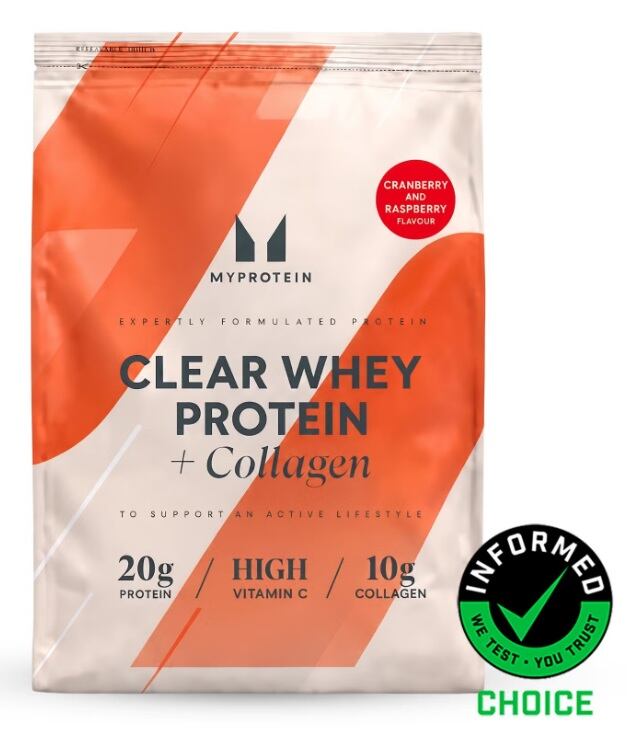
“Customers don’t want to be buying 20+ supplements, but they want the benefits of all of those in one ideally,” he said.
“I definitely think it’s an area that will evolve [and] I think GLP one is helping push that trend along.”
But as we see consumers look to consolidate their supplements stack for products which hit all their goals, Kanyuck also predicts a movement towards more personalisation. This echoes Carnachan’s point around health not being a one-size-fits all arena.
“There’s different needs states based off lifestyle for protein needs,” said Kanyuck. “So if you’re an athlete or very active ‚or if you’re older and you struggle with protein digestibility, actually your protein needs can be as much as double someone else that is more sedentary.”
She went on to explain that this can make it challenging as a consumer to establish what your protein needs are and as such, brands will need to help educate consumers on what it is they do require.