


The concept of ‘clean label’ has been growing in importance in food over the last decade. While definitions of clean label can be murky, consumers are clear on what they want. They want a simple and limited ingredient list, with natural and recognizable items. They’re put off long lists in small print with unrecognizable additives and other ‘nasties’.
And while alcohol has largely flown under the radar up to now, that’s changing. Consumers are increasing their focus on alcohol: asking for more information - whether that’s in terms of calories, nutrition information, or ingredients.
While regulations vary according to market, providing such information remains largely voluntary. But consumers are now pushing for better products and more information.
How can brands respond?
Transparency is key
Prairie Organic Spirits was founded in 2008 and has become the top selling organic spirits brand of premium vodkas and gin in the US.

“Clean label and wellness have become increasingly important to consumers, particularly when it comes to food, where people interact more directly with ingredients,” says Laura Donnelly, vice president of marketing at Prairie Organic Spirits.
“Most of us cook at home and have become increasingly familiar with reading the labels, which naturally leads us to ask questions about what goes into our meals.”
Yet drinks has lagged behind food in this respect.
“Alcohol has historically been different, with fewer people knowing the processes behind brewing, winemaking, and especially distilling, and the category hasn’t always emphasized ingredient transparency in the same way food has,” said Donnelly.
Alcohol labelling legislation
In the US, non-alcoholic drinks are covered by the Food and Drug Administration (FDA) and must provide a Nutrition Facts panel.
Most alcohol products, however, are covered by the Alcohol and Tobacco Tax and Trade Bureau: and do not need to provide this panel.
“Yet consumer expectations are shifting and people are beginning to ask the same questions about alcohol that they do about food: where the ingredients come from, how they’re grown, and how the product is made.”
For Donnelly, clean label is all about transparency.
“We’re more than happy to share our ingredients and processes because we’re proud of them,” she said. “Consumers today want to feel confident in the products they choose, and many other producers are similarly ‘open book’ in their approach.”
What makes clean label alcohol?
The Clean Alcohol Collective says the following ingredients shouldn't be included in clean alcohol drinks (this is not an exhaustive list):
HFCS
Aspartame
Glycerin
Sucralose
Acesulfame
Ace-K
Artificial colors (such as Red No 40)
Artificial preservatives (such as sodium benozoate)
Meredith Mills Merritt is founder of The Original Southside, an organic canned cocktail without artificial colours or sweeteners. She’s also the founder of the Clean Alcohol Collective, which launched earlier this year.
She agrees that the first thing clean label brands should do is give consumers as much information as possible.
“First and foremost, we [at The Original Southside] are transparent and provide the full ingredient list as well as our nutrition facts label,” she said.
“I firmly believe it should be the consumers choice on what they want to consume and they should know everything that is in their beverage."
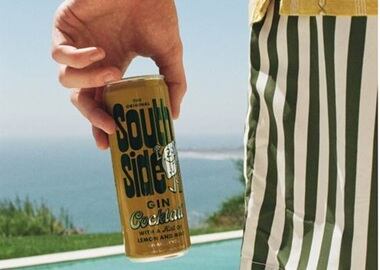
Like Prairie, the brand is also certified organic and takes pride in using the best ingredients possible.
Then there’s the question of artificial preservatives. Original Southside uses citric acid, as opposed to artificial preservatives such as sodium benzoate and potassium sorbate: which are commonly used across the industry.
Is clean label cost prohibitive?
The biggest question brands will have, however, is predictable: is clean label too expensive to be practical?
Mills Merritt says good ingredients don’t have to cost the earth. While organic might come at a premium, that can be incorporated into the business model.
“I think there’s the theory that clean label is super cost prohibitive and that’s why it’s less common,” she said.
“And that’s entirely not the case. Quality and profitability are not mutually exclusive, especially in our case.
“We are able to do industry leading COGS and margins with integrity and organic ingredients. It’s not impossible, just uncomfortable, for incumbents who would need to reformulate.”

