


Protein is trending. It’s found across beverage categories, from coffee to milkshakes. And it’s making its way into new, mainstream formats, such as protein soda.
But there’s a catch. Protein is not always the easiest ingredient to work with.
It can come with many challenges: such as chalkiness or a powdery taste, or bitterness or off-flavours. In brief, it doesn’t taste good - and that’s a major challenge in a market where consumers demand good tasting drinks above all.
A weighty issue
Protein formulation is a challenge across the board: but depends heavily on the category.
Protein has been a relatively easy fit for milky drinks; and indeed has been a feature in the category for years.
Protein soda, however, is lighter and therefore much harder to work with.
“The challenge with protein in a soda format is taste,” said Matthew Postlethwaite, co-founder of new protein soda Proda, which he’s just launched in the US with ex-Suja CEO Jeff Church.
“Most proteins break, cloud or create off-notes in a carbonated system.”
The brand’s answer has been clear whey isolate: an ingredient that keeps the product light, transparent and refreshing.
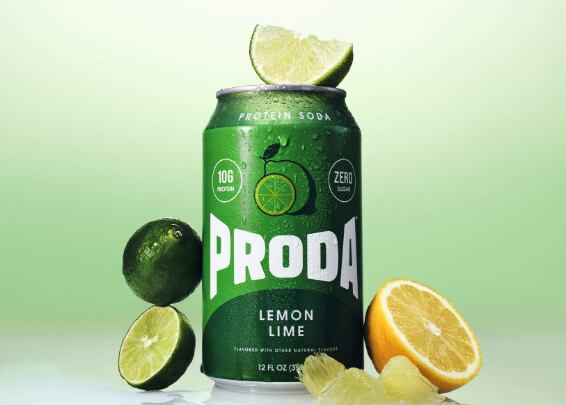
But it wasn’t easy, says Postlethwaite. “Protein naturally wants to taste heavy, chalky, or ‘functional.’ We spent a long time refining the system so you get something that feels light and drinkable, with no aftertaste.”
The brand took around 18 months to get its formula right: but Postlethwaite says it was worth the investment in time and energy to set the brand aside from others in the category.
Don’t overdo it
Fitness enthusiasms are willing to accept a certain compromise on taste with protein products.
Mainstream consumers are not.
Danny Stepper, CEO of L.A. Libations, emphasises that functional beverages have to taste exceptional to succeed in today’s competitive market.
“The protein drinks that are going to win are the ones that have the right dosage,” he said.
“As much as you’d love to have 20g of protein in your soda, there’s no way to make it taste good.
“So I think staying at or below 10g is key. That’s the magic number.”
Indeed, 10g is turning into a standard figure (Proda, Skypop and Koia all have 10g per can).
Then there’s also the question of the type of protein: which can come from dairy (such as whey isolate or casein) but also from an increasing range of plant-based sources (such as pea, soy or fava beans).
The best ingredient depends on the type of drink.
Eyes on the protein prize
Protein is not the easiest ingredient to work with.
But Betty Kaufman, strategic director of F&B innovation consultants, The Culinary Edge, says the reward is worth the technological investment in soda.
“The formulation challenge is real,“ she said. ”Protein is difficult to stabilise in a carbonated, low-pH environment.
“Yet the consumer demand is clear, and brands that can solve this technical hurdle while preserving a refreshment-first experience will capture consumers’ dollars.

