


Functional beverages are on fire. Mordor Intelligence estimates a cool 7.9% CAGR for the functional beverage market from 2026 to 2031: which would see the category leap from $164bn to $239bn. But why?
There’s many factors at play. Consumers are shifting from treating illness to preventing it: prioritising health and wellness above all else.
Functional beverages also offer a convenient way to get nutrients: particularly if they’re integrated into daily routines such as coffee or a can of soda. And they offer a much more and attractive way to get benefits than pills or complicated routines.
But perhaps they can also offer an edge that’s not even about functionality. Functional beverages can be fun and flavourful: the biggest success stories come from brands that offer great tasting products and adventurous flavours. Functional beverages aren’t only about health: they’re about healthy lifestyles.
Let’s take a look at the functional beverage categories that are seeing mass market success around the globe.
Energy
Energy has been a growing category over the last decade – and this growth is not going away.
But the energy category is changing. Energy drinks used to be about sugar, taurine and action: today, they’re exploring natural sources of energy, clean label positioning, and better-for-you credentials.
That means less sugar, no artificial ingredients, and natural functional ingredients.
Energy drinks are also heading towards the idea of a smoother, slower but sustained energy release: with ingredients such as ginseng, guarana, guayusa, green tea and yerba mate to name a few.
And it also means branding and marketing that’s very different to brands of the past: with a healthy aspirational image instead of the masculine, extreme sports imagery.

Top brands carving out the natural energy space include Celsius, Alani Nu, and Tenzing.
Gut health and digestion
Olipop and Poppi have taken gut health into the mainstream with their gut health sodas.
It’s not just been about fibre consumption or supporting the microbiome: it’s been about taking these benefits and putting them into a fun, approachable format with attractive flavour innovations.
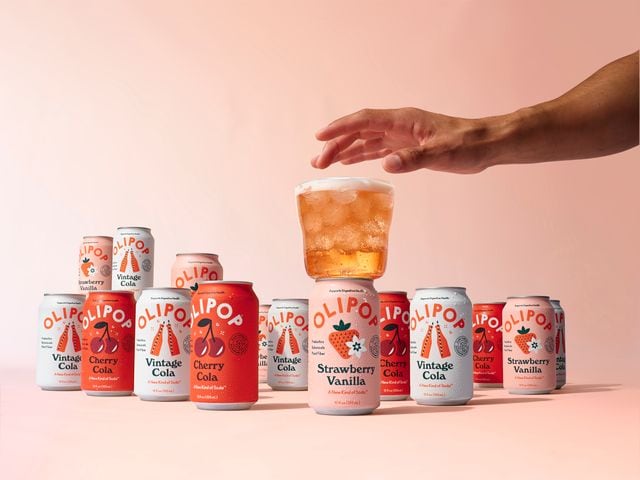
Coca-Cola and PepsiCo have now seen the potential of the space, making their own moves in the category (Coca-Cola with Simply Pop and PepsiCo with the acquisition of Poppi).
Gut health sodas have propelled digestion into the mainstream: but other beverages have plenty to offer. Functional beverages shots often focus on digestion, as do wellness juices. Coffee, meanwhile, has begun to promote its favourable impact on gut bacterium.
Fibre
While the main point of fibre links into gut health, high fibre products are emerging as a strong category in their own right.
Fibremaxxing, a social media driven health trend, has made consumers realise that they often simply don’t have enough fibre in their everyday diets. It’s what nutritionists have been saying for years: but now people are taking note (in the UK, 96% of consumers don’t get enough fibre).
A high fibre diet has been shown to reduce the risk of cardiovascular disease, heart attacks, strokes and type 2 diabetes.

Colon cancer rates are skyrocketing in young people: with low-fibre diets being one of the environmental factors associated with the disease. As awareness of colon cancer goes up, consumers are shifting their diets to reduce their risk.
Fruit juices, and fruit and vegetable juices, are leaning into the fibre space (Naked, for example, launched its fibre smoothies in 2025).
Protein
Dubbed the ‘proteinification of everything’, protein is showing up everywhere.
Starbucks has launched Starbucks Coffee & Protein (22g protein, 5g prebiotic fibre). Meal replacement drinks are a protein powerhouse, as are dairy and milk-based drinks.
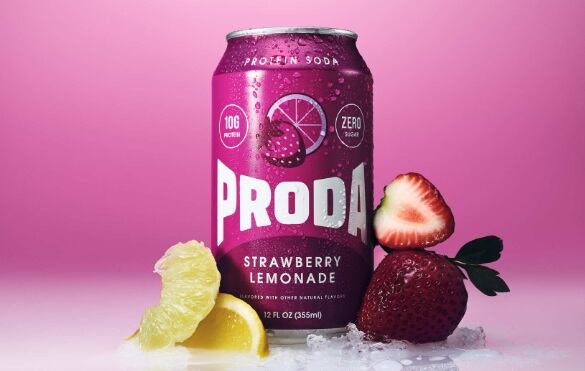
Now protein soda provides a mainstream vehicle to take the idea into the mainstream, promising to follow the same trajectory as gut health soda.
Focus
Functional beverages are turning their attention from the body to the mind.
Functional mushroom coffees have already been expanding this space, positioning themselves around focus and clarity.
Focus beverages and productivity beverages might have started out as something for Silicon Valley offices, but there’s a mass consumer need out there.
Entrepreneurs want to come up with the next great idea. Officer workers want to be more productive and manage their time better. Students want to battle procrastination and concentrate on their studies. Busy parents want to whip through their household budget. Whatever it is, we all want to be more efficient with our time.
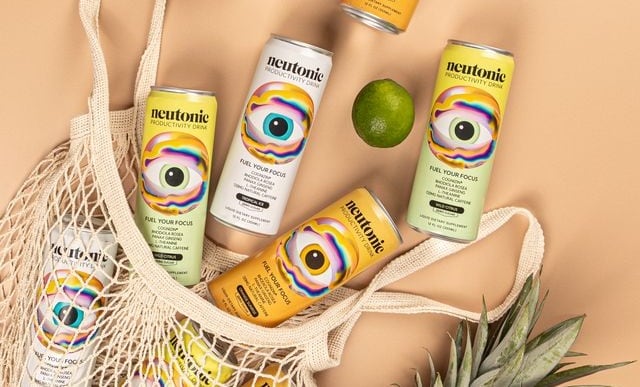
A new generation of drinks promise to help us focus on the tasks we need to, and unleash the creative potential of our minds.
Cognizin, B vitamins and gentler sources of caffeine (which come without the jitters or the crash) are all ingredients being found in this space.
Don't forget flavour
Today's consumers want functional beverages that do more for them. But they also want them to taste good.
"The consumer is not going to sacrifice taste just to get functionality," said Danny Stepper, CEO of beverage accelerator, LA Libations, and owner of The Beverage Forum. "They want it all."
Seth Crass, senior director of quality, R&D and regulatory at Olipop, agrees: and says today the competition in the category is elevating flavour innovation. "Given a choice, as a consumer - as a human - if you have two equally functional products and one tastes better... you're going to go for that one."
Sleep
From chamomile tea to valerian, the idea of a herbal tea to promote sleep is nothing new. And that means the category can get overlooked.
In fact, sleep remains the top functional beverage need that UK consumers are looking for, according to product intelligence business Vypr.
Consumers are increasingly conscious of just how important good sleep is: with a strong and growing body of research suggesting a lack of restorative sleep can trigger or exacerbate a wide spectrum of health issues.
That opens up a huge new market for food and drink innovations.
Mass potential - and niche knowledge
The top functional beverage categories stand out because they're ones that have mass appeal: targeting consumers from across age ranges and demographics.
But the functional beverage category is also evolving to meet niche areas where there's a strong, and often growing, need .
Drinks supporting women, with needs such as the menopause, for example, may appear a niche area at first. But if these drinks can accurately meet the needs of women aged 45-55 around the globe, that's still an enormous audience.
Then there's healthy aging. Products for healthy aging might intially target seniors: but, as people live longer, this body of consumers is growing. With growing rates of Alzheimer's and Parkinsons, the focus around longevity is now shifting from living longer, to living healthily and better for longer. That means healthy aging becomes a more holistic, lifelong journey that starts much earlier in life.
Relaxation
While linked, the need for relaxation is not the same as the need for sleep.
Consumers want beverages that help them relax and unwind at the end of a busy day, with ingredients such as lion’s mane, l-theanine, ashwagandha, magnesium and CBD.
And such relaxation drinks can help people feel more calm, relaxed, or even provide a little mood uplift after a stressful day.
What’s opened the door for relaxation drinks (or ‘mood drinks’) is that consumers are increasingly aware of the effect of stress on their health. That means they’re actively engaging in ‘proactive relaxation’: looking to include calm in their daily routines.

But they don’t want ingredients that make them drowsy. Think of these drinks as ones that are increasingly taking the place of alcohol in consumers’ lives: helping them enjoy their evenings and prepare for a good night’s sleep, but that can still be part of a social gathering or dinner party.
Brands in this space include Trip, Impossibrew, De Soi, Kin Euphorics and Hiyo.
Hydration
Hydration was once about electrolytes and isotonic sports drinks. But now hydration has hit the mainstream. Gatorade, a brand which once focused its efforts on science-backed hydration expertise for athletes, is now re-positioning its brand as one that serves up hydration to everyone.

Brands like Liquid I.V. have seen the potential to turn ‘ordinary water into into extraordinary hydration’, with a formula with electrolytes, nutrients and vitamins. Powdered hydration packs turn hydration into something for anyone, anywhere.
According to analytics firm Mintel, 39% of US consumers are concentrating on hydration more than they were a year ago.
Immunity
It’s been a cornerstone of the functional beverage category for decades. Everyday health, and the ability to fight off the bugs and germs we encounter in schools, offices and gyms, is relevant to everyone.
Immunity remains a key call out, with vitamins fortification becoming an integral part of many beverages. But it’s increasingly being paired up with other functional needs: with vitamins being paired up with energy, hydration and relaxation.
Beauty
Collagen drinks have been around for a while as a relatively niche sector of functional beverages: but their potential for growth is now one to watch.
Skincare drinks are trending, with Pinterest searches up by more than 170%.
Brands are leveraging ingredients like marine collagen, applephenon and spirulina. And they’re focusing on hair, skin and nails – or a combination of all at once.
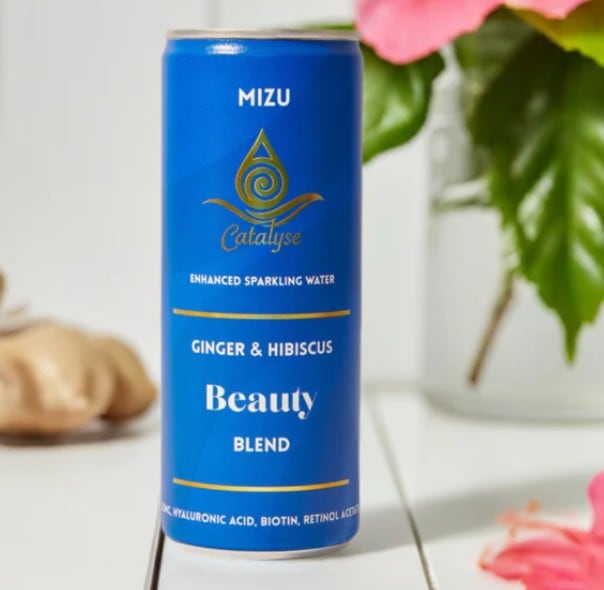
But, in particular, it’s about skin: something that most people already associate collagen with. As the number of GLP-1 users increases, so do concerns around ‘Ozempic face’: bringing collagen back into the limelight.

