

If millennials were all about avocado on toast; then Gen Z is all about matcha. Its powerful green color makes it stand out on social media. A new wave of ‘matcha influencers’ extol the drink’s virtues. In cafes, matcha provides a welcome addition to hot or cold drink menus: an enticing option for people who don’t want to drink coffee.
So much so, the drink has been described as ‘Gen Z’s avocado-on-toast moment’.
“Matcha has gone from a niche ritual to a full-blown cultural moment,” said Cartia Mallan, a content creator, model, actress and entrepreneur who has more than 1.2 million followers across Instagram, TikTok and YouTube, and who launched her own matcha brand Melo Matcha earlier this year.
“Honestly, it makes sense. It not only has incredible health benefits but it’s extremely aesthetic, making it very shareable.”

Matcha, which comes from specially grown and processed green tea, may come with health halo (a high concentration of antioxidants and polyphenols) but its appeal is deeper than that. With its Japanese heritage and ritual, it has a lot to offer.
“Consumers aren’t just drinking it, they’re wearing it, posting it, and making it part of their identity,” said Mallan, who sources the brand’s Yubukita matcha from certified tea farms in Kagoshima, Japan.
“I think people love seeing ritual and routine and matcha has both of those things. It not only looks amazing but it just feels vibrant, lively and fresh! It has brought together a whole new community of people who are passionate about the heritage, Japanese culture, health, lifestyle and creating fun recipes.”
And then there’s also the practical potential of the tea: providing a gentle source of energy that consumers are constantly searching for. While comparing the levels of caffeine in coffee and matcha is difficult (depending always on the type and brewing process), matcha can generally be expected to have less caffeine than coffee and provide a gentler boost, thanks to the presence of L-theanine.
And yet, the elephant in the room for matcha is its distinctive taste: one that consumers don’t always react positively too.
The tea’s grassy, earthy, umami flavor profile can come as a surprise to consumers bought up on sweet profiles.
How brands are making matcha mainstream: Focus on quality, branding, education and experimentation...
For UK specialty tea brand Good & Proper, focusing on quality matcha is key. The company was an early champion of matcha: introducing it at its Clerkenwell tea bar in 2015. A decade later, it’s now one of the fastest-growing parts of the business (accounting for 15% of revenue and doubling sales year on year).
Good & Proper has just relaunched its House Matcha: a product that was more than a year in the making and which debuted at the London Coffee Festival earlier this year.
The focus is on quality: The new House Matcha is a vibrant blend, crafted in Kyoto by one of Japan’s most respected tea masters, Hiroshi Kobayashi.
Kobayashi-san selects the finest shade-grown leaves from the spring harvest, then blends them, batch by batch, to craft the exclusive matcha that is ‘creamy, smooth and with a delicate umami finish’.
“Matcha is an acquired taste of course, but the quality of Matcha on the market varies massively, which can impact the consumers’ understanding of it as a product,” said Emilie Holmes, founder of Good & Proper.
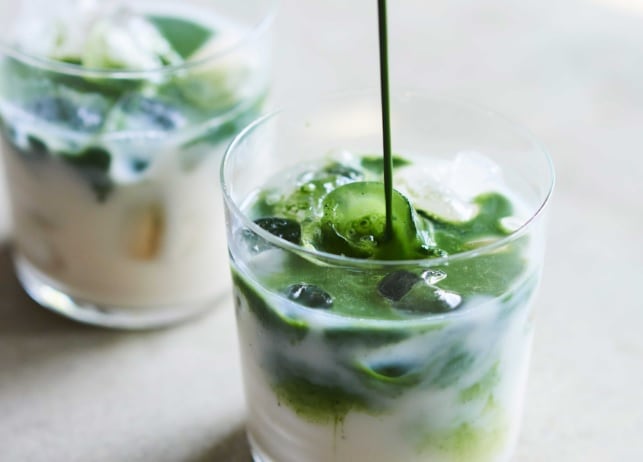
“Our matcha is smooth, vibrant and delicately sweet, with a clean umami finish. It doesn’t need heaps of sweetener.
“What we want to get across is more around the education of how Matcha is produced and how the crafting of the leaves can really impact the quality of the output.”
Cartia Mallan of Melo Matcha takes matcha’s distinctive taste as a challenge. “I honestly love when someone says they ‘hate matcha’ as I find it to be my sole mission to convert them!” she said.
Her strategy is threefold: starting with attractive branding, education on how to prepare and enjoy matcha, and letting people discover how they want to enjoy the tea.
“I have tried to ensure my branding with Melo is warm and inviting,” she said. “I aim to offer education around matcha and the proper ways to prepare it to ensure people when trying it have an amazing experience.
“I also think matcha is so much about experimentation. I believe there isn’t one main way to enjoy matcha and the fun is in the exploration of that!”
Matcha can be used in a variety of ways: from traditional matcha tea occasions, to matcha lattes (both hot and cold) or even used in baking recipes.

